Bristol City Council Attendees: Deputy Mayor Asher Craig, Cllrs. John Goulandris, Liz Radford, Mike Davies, Olly Mead, Clive Stevens and many senior officers.
At 6.00 pm The Chair, Peter Harnett, moved the meeting into the main Conference Room, as some 80 people had gathered. He read out a short statement from Cllr. Anthony Negus, Chair of Neighbourhoods Scrutiny (see below) who could not be present. He argued that the cuts to street tree maintenance would create long-term problems.
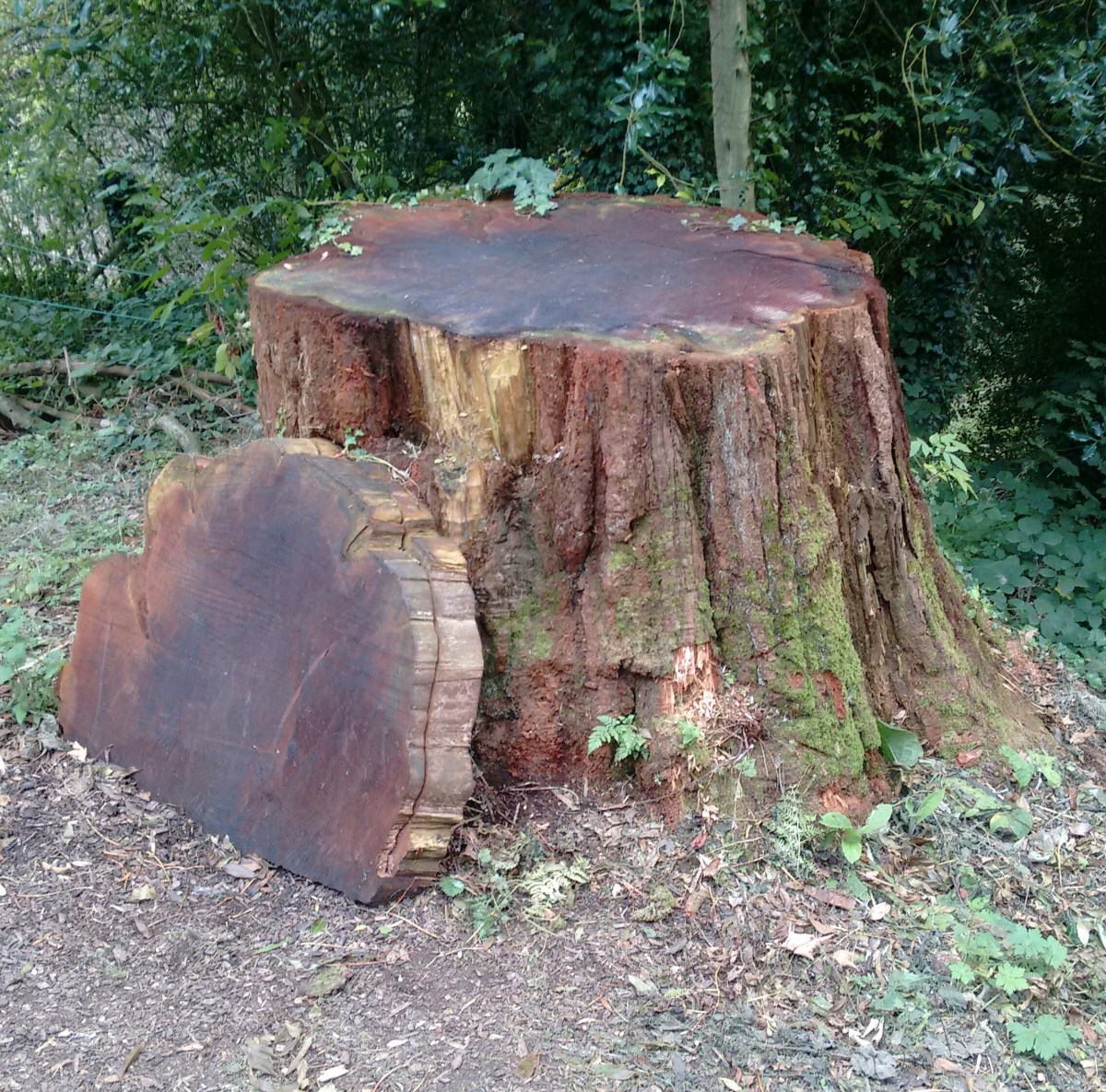
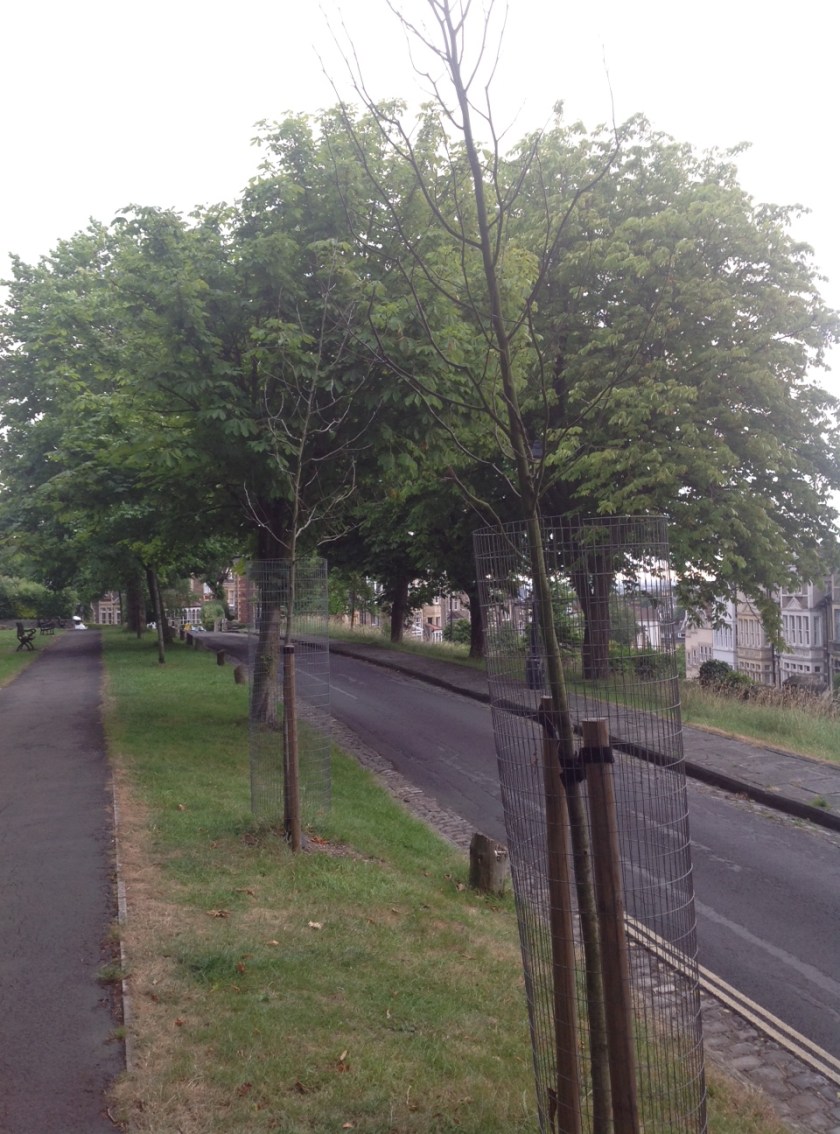
He then called on Cllr. Clive Stevens, who argued that the Tree Forum since 2008 had built up trust between the public and the council, and that the recent cuts had destroyed that relationship. Trust is very important to the Council, especially where they aspire to commercialise services and so need a trusted brand name people can buy into. BCC had, with BTF, been deeply involved in the creation of the Bristol Tree Replacement Policy, which had helped to ensure that where trees were felled they were replaced. Of around 16,000 street trees, 4,000 are pollarded and there are some 1,200 stumps awaiting replacement.
Note: – Trees of Bristol has logged just over 66,000 trees – some 67,300 when stumps are counted – of which some 16,000 are street trees, covering 1,062 species, varieties and cultivars in 2,310 sites.
The Chair then read out the statement of Margrit & John Waldron (see below).
The Chair then asked Vassili Papastavrou to read a statement from Prof. John Tarlton (see below), who had persuaded the University to put substantial sums into new tree planting. He suggested that the increase in the price of new trees from £295 to £765 would simply ensure that all private sponsorship would dry up, and that as a result tree stump sites would be permanently lost.
Graham Turnbull from the Sheffield Trees Action Group then spoke about the way in which the Council had handed over responsibility for road maintenance to a private firm under a PFI initiative, who had then begun a massive tree felling programme on the grounds that trees damaged pavements. A council attempt at a public survey had been grossly mishandled, and the Sheffield Trees Action group was set up via Facebook with 6,600 members across the city who began direct action to protect trees, which led to arrests, and nationwide adverse publicity. He made the point that a PFI contract ends democratic accountability, and that the entire city Tree department had been outsourced.
After questions the Chair invited the deputy Mayor, Asher Craig to respond. She stated categorically that that Bristol is not looking at any PFI contract that would include street tree maintenance. The financial crisis had forced an immediate cut in the budget, and the need for longer term change. A cut in the Highways budget of £1.66 million had resulted in the reduction of the street tree management budget from £187,000 to £53,000. She emphasised that the risks from street trees would continue to be assessed and action taken if needed. For example, where epicormic growth becomes a health & safety issue, the council will act. Only dead or dangerous trees should be felled. She wanted to rebuild the trust, to work with communities, and set up some kind of charitable trust scheme, perhaps involving the Woodland Trust, the Civic Society and the Forest of Avon, which would be able to tap into funds not available to the Council. A meeting of interested parties should be held as soon as possible.
During questions from the floor a number of issues were raised including the problems of epicormic growth, and whether voluntary action could help; pollarding is a skilled, technical job which should be done by experts; the house insurance issue when a policy issued to an individual owner would depend on the pollarding regime; whether Bristol City Council would be able to defend itself from subsidence, flooding or tripping claims in the future without a reasonable pollarding regime in place (just one or two successful claims could wipe out any savings made by cutting the budget); the need for continued climbing inspections of street trees, rather than street level judgement, as an end to pollarding would create dangers which would start to manifest themselves within two to three years, but which might not be visible from the pavement; the need to increase tree inspections has not been costed; and the need to put Bristol’s problems into a global perspective, with the need to increase local and national tree canopy cover. For example, one mature tree can sequester some two and a half tonnes of carbon.
The Chair then called on Peter Mann and Shaun Taylor of the BCC Highways department, who stressed that statutory and health & safety obligations will be met. They were challenged on the issue that short-term measures would lead to long-term problems, and, in response to a question from the floor, stated that the BCC Tree Officers were not asked prior to the decision to cut the budget what the effects of the reduced maintenance budget would be.
Finally, the chair sought suggestions from the floor for possible solutions. There were contributions from the Woodland Trust, Forest of Avon, Birmingham Trees for Life Trust amongst many others, and a suggestion that Trees in Cities could be involved. The Deputy Mayor drew attention to a meeting on July 20th of the Community Network.
Possible solutions discussed were:
- Partnering with other like-minded organisations to set up a charitable trust to take over the management of street and other public trees.
- raising funds through accessing grants from other charities, lottery or other public money or crowd funding. It was noted that raising funds for revenue expenditure (annual maintenance costs) can be very difficult.
- Encouraging local volunteers to help care for and manage local trees – a bit like the snow warden schemes set up across the city.
- Copying other solutions around the country – such as Manchester City of Trees or Birmingham Trees for Life.
- Install rain catchers in parks and other public spaces with trees and encourage local groups to use them to water newly planted trees.
The meeting closed at 8.10 pm.
Statement of Councillor Anthony Negus
I’m sorry I can’t be with you today but have been active in highlighting and supporting this cause since it became apparent.
This Administration passed swingeing budget cuts to services earlier this year. I was one who persistently warned of the unforeseen or even foreseen consequences when these headline numbers became defined losses in service. Some of these are not easy to track but when part of the highways savings morphed into reduction of the maintenance of our street trees by 78% the immediate effects were plain and stark.
Bristol is wonderfully endowed with street trees. Quite apart from the well-being and environmental richness they support, mocked by some, they are sunshades and regulate drainage and pollution. But they grow, and in an urban setting this needs to be controlled. Without this, branches reach windows and fall on people and vehicles, and roots can damage structures and footpaths, increasing the risk of personal injury. This will lead to more expensive insurance claims and the offending mature trees, and probably others, will be cut down though perfectly healthy, adding to the total of stumps in the city. Increased planting charges will make their replacement with saplings much less likely.
This policy, seeking savings, will not secure them. If followed-through the loss to our city’s appearance, the environmental benefits and our reputation as a green capital will be immense and last for at least a generation. It is possible for councils to accommodate long term necessity, even in this period of austerity. I urge the Bristol Tree Forum and the wider population who appreciate the real value of trees to strongly and actively support efforts to stop this short-term vandalism.
Please help. Thanks.
Statement of Margrit & John Waldron
We feel privileged by the foresight of previous generations in leaving such a legacy of street trees in our City and are committed to leaving to maintaining this heritage for our successors.
Street trees are a ‘common good’ that should be paid for the community at large, however in the light of the current financial emergency facing the City we propose that those who enjoy them and have the means to do so should make a nominal contribution of £10 per person towards an emergency tree fund to help maintain and enhance this heritage. This could possibly raise a fund of up to £1m to be spent in consultation with local communities. We enclose our initial contribution of £20.
Statement of Prof. John Tarlton
Alongside concerns regarding the cut in the maintenance budget which will inevitably lead to a loss of existing trees, it is also proposed that the cost of tree replacement will be more than doubled from £295 to £765 to cover maintenance costs to 15 years.
The financial argument for this is unsound. The current cost of £295 includes an amount for the additional 2 years of watering. Beyond this, the maintenance of the new tree is covered by the existing maintenance budget for the earlier tree.
By increasing charges prohibitively, it is likely that potential sponsorship offers will dry up. Also, by delaying planting at an “existing” tree site (at a cost of £295), later planting would incur the full cost of a new tree, at £3000. If the council ultimately aim to recover these lost sites, the cost to them will be many times what they are trying to save with this short-sighted policy.
Hilary Green, who attended the meeting but had to leave early, has asked for her planned contribution to be added. Here it is:
Isn’t it about time Bristol looked at a congestion, or perhaps more pointedly, a pollution charge? This would at least help to pay for some of this – and perhaps also contribute towards an environmental fund, which could help fund street trees and more.
I was in Ljubljana on business this year – Green Capital in 2016. They had closed off the whole of the city centre to traffic (except for early morning deliveries). People walked, cycled, or used the (free!) electric mini-buses, leaving the streets safe for people and free from traffic fumes and noise. It was also bustling with street life and the shops and restaurants were doing great business.
I appreciate that different cities have different configurations and pressures, however I am sure there is something we could learn from Ljubljana, if only that we need to find a way to deter traffic from unnecessarily entering the city centre, and find a way to provide clean, cheap public transport.







 Bristol Tree Forum