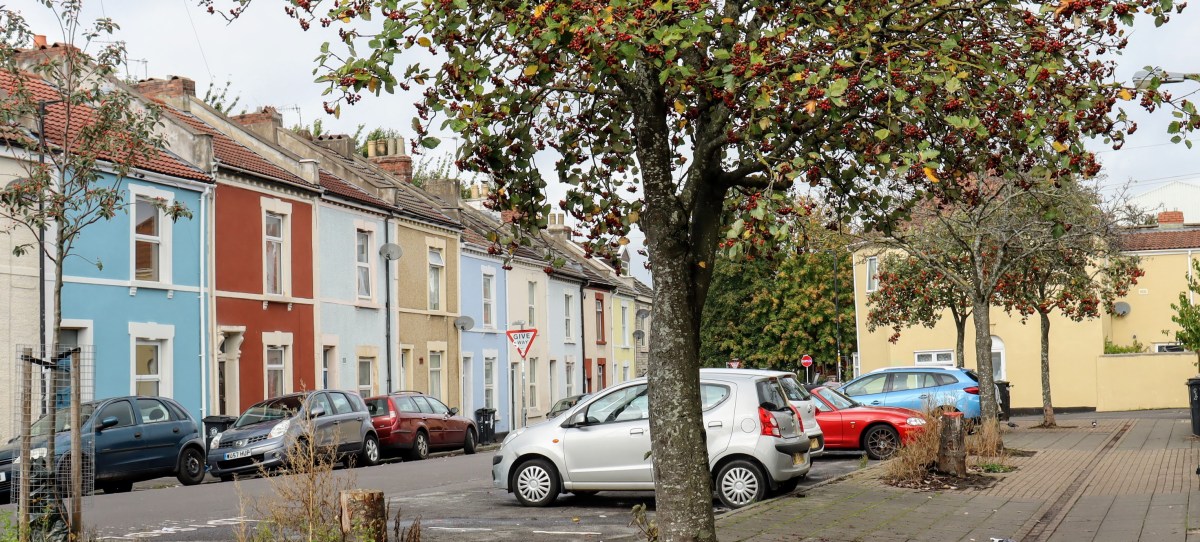
Congratulations BCC on its successful Defra Urban Tree Challenge Fund bid!

Dear Bristol City Council,

We want to put on record our congratulations for the successful bid that your Parks Strategy team led for Bristol City Council to the DEFRA Urban Tree Challenge Fund (UTCF).  It has been some time in the resolution, but it is great that we now know for sure that it has succeeded.

We are delighted that there will now be more funds available to plant and maintain trees in the streets and green spaces of local communities that have perhaps been been overlooked in the past.

Thanks to you and to your excellent tree planting team, the Council has built an enviable reputation for planting urban trees across the city. Long may it continue!

We look forward to helping you with the planning and consultation that will be needed for adding these UTCF trees to next winter’s tree planting season.

This will make an important contribution to doubling Bristol’s tree canopy cover over the next 25 years.

We also applaud your decision to involve us in the collaborative partnership preparing the initial bid. As the only group specialising in protecting and caring for Bristol’s urban forest, we are very pleased to have been able to:

  1. Survey a representative sample of some of the 1,471 sites you have identified across the city, thereby relieving overstretched BCC officers who simply didn’t have the time to undertake this work.
  2. Adapt our Trees of Bristol website to record the planned planting locations for both street trees and the woodland sites.
  3. Develop our Tree Care site which communities will be able to use for post-planting tree maintenance and care – an important part of match funding the UTCF grant.
  4. We have also developed a comprehensive network of ward-based tree champions who are ready to be involved both in engaging with their local communities in the planned consultation and in helping with the ongoing care of newly planted trees.

As you can imagine, it was a lot of work, but we believe that it provided the sort of detail that helped clinch the bid.

Now that the funding has been secured, we look forward to meeting with you and the other partners to help with the next important planning phase of engaging with local communities and getting trees actually planted come next winter.

When can we meet to help you take this further?
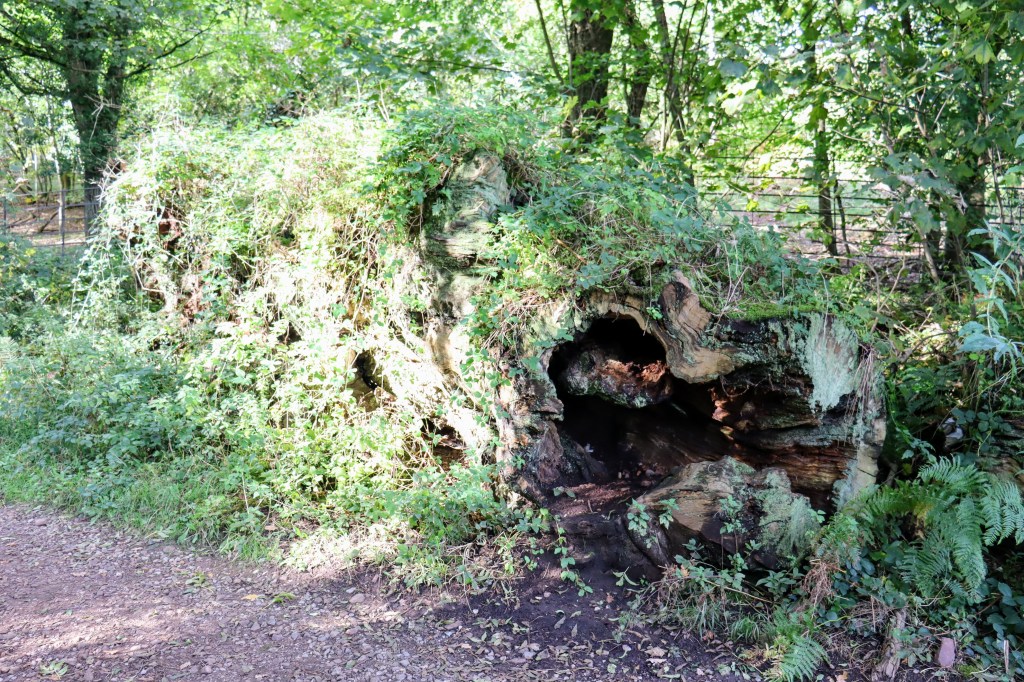
In Defence of Dead Wood

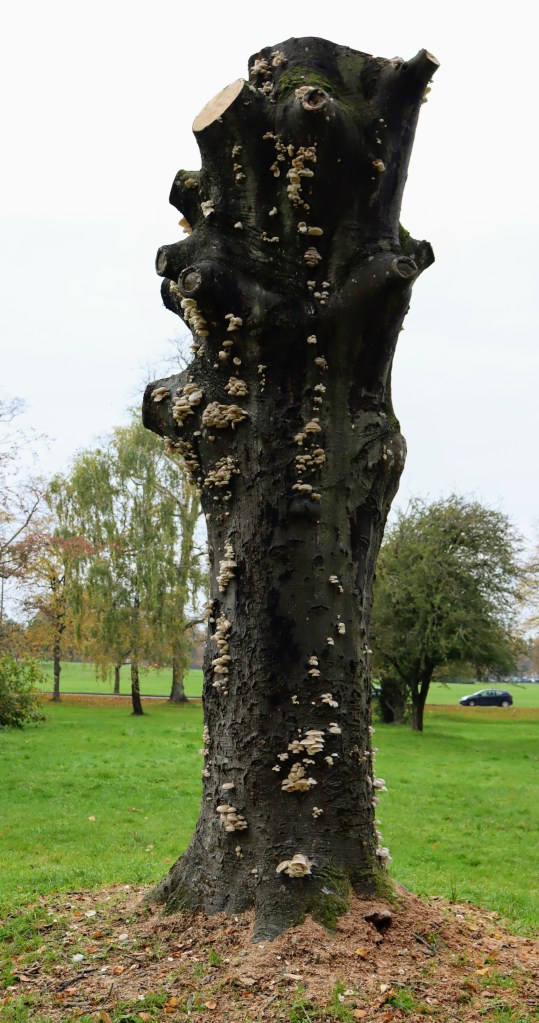
It was once believed that when a tree died, it was no longer of use. For decades, we have actively removed trees at the first signs of rot or fungal attack, felling them at the base and removing all evidence of their existence…

Our guest editor, Nick Gates, Naturalist, writes

Storm damaged trees are hastily sectioned for firewood or bio-fuel. Sometimes, we replace them with a new, younger version of themselves. It was thought that this in turn kept other trees healthy, and that the wider environment benefited as a result.

The fall of a tree opens up new opportunities…

But nothing is further from the truth. By removing this deadwood, we are stripping out a most vital layer of the natural world. Because when a tree dies, it isn’t actually dead.

As a tree grows, its core begins to die. Have you ever looked at a majestic old oak, its core completely hollowed out, and wondered how on earth it was still producing green leaves and fresh shoots? The reason is that only the outer layers of the wood, just below the bark, are alive. They transport all the water and nutrients that a tree needs to survive. Simultaneously, under the soil, a massive network of fungi around its roots help the tree collect all of the vital nutrients and minerals it needs. As the tree grows, the wood core, the growth rings left behind and superseded from previous season, slowly dies.

Left to fade away…

Over time, this core wood is slowly broken down by fungi. In the very oldest trees, the core is lost completely. Perhaps the most famous of these wood-feeding specialists is one you may well have eaten, the Shiitake mushroom. The fungi in turn are eaten by many species, from bacteria to nematodes, insects to mammals, whilst the rotten wood supports many more. Therefore, this soft rotting deadwood actually hosts a complex living food web.

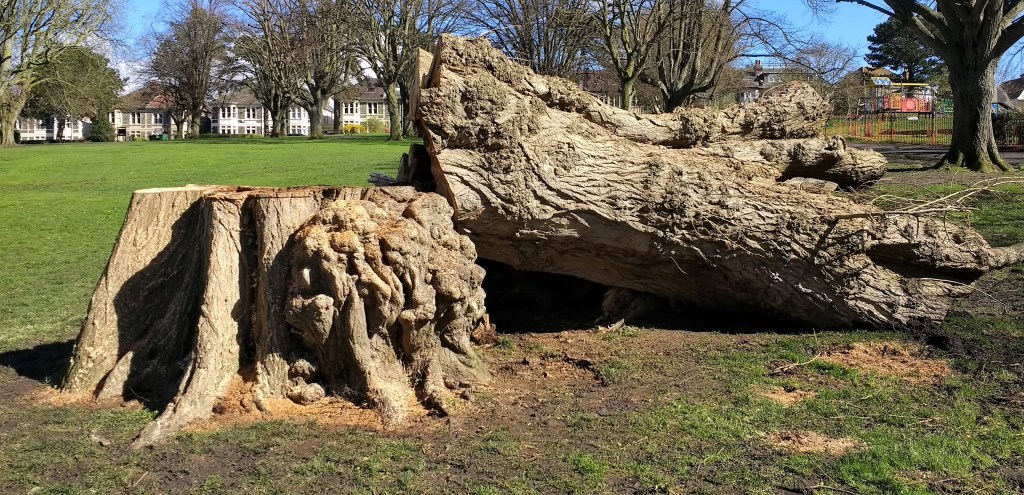
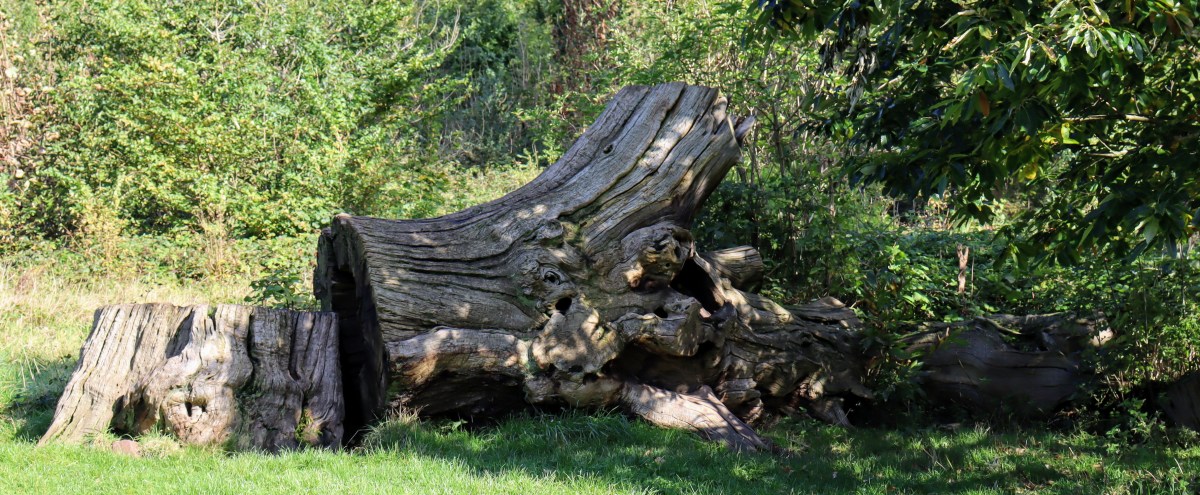
St Andrews Park – The fallen Black Poplar

An oak tree supports over 350 different varieties of insect. But over half of these feed on dead parts of the oak tree.  Bats rely on deadwood cavities to roost, whilst feeding on many species of night-flying beetle that feed solely on deadwood. Redstarts require hidden cavities to nest, whilst searching for bark beetles and moths that grew up in the deadwood. Everything from blue tits to woodpeckers and wood mice to tawny owls rely on deadwood for some part of their existence. By the time an old tree falls completely, upended from its rotting root network, the wood may be dead but the vast diversity of creatures it is feeding are very much alive. 

When we strip out deadwood from a natural environment, often under an aesthetic tidiness premise, we aren’t just taking the wood away. We are slowly eroding the complex living food web that the deadwood feeds. The Bristol Downs has suffered from this for many years. We could have hedgehogs snaffling snails from deadwood retreats and spotted flycatchers nesting amongst the craggy cavities in gnarled out stumps. Animals just need food and shelter to thrive. By removing deadwood, we take away both. There are many ways of leaving deadwood that look aesthetic whilst appreciating the enormous ecosystem service it provides. Good signage can help explain this.

In a time of unprecedented ecological collapse, we must all do what we can to help the natural world. Leaving deadwood in situ is one of the easiest ways to do this. So please, next time you see a fallen tree, don’t look on it as an untidy addition to the landscape, but enjoy it as the next opportunity for nature to reclaim a part in our everyday lives.

@NTGates Feb. 2020

A Manifesto for protecting Bristol’s existing Urban Forest

We invite all candidates standing in this May’s Mayoral and Councillor elections to endorse our tree manifesto which we set out here.

Bristol has declared a climate and ecological emergency. An emergency means making radical changes now – in every council department, by every developer, and by all those who own or care for trees.

All these proposals fit under Bristol’s existing 2011 Bristol Development Framework Core Strategy – BCS9 Green Infrastructure Policy which should now be implemented.  We must stop the needless destruction of so many trees in our city and instead learn to work around and with them.

Everyone from all sides of the political spectrum is talking about planting trees.  We fully endorse this, but it will take time for these new trees to mature. In the meantime, retaining existing trees will have the biggest immediate effect.

We propose that

  • There needs to be genuine community engagement in Bristol’s tree management decisions.  The council needs to listen to communities that want to save trees, not just to those who want to remove them.
  • Urban trees (planted or self-sown) have a tough life. Many bear the wounds and scars of previous damage or interventions.  These trees, though they may not be perfect, should be valued for the ecosystem services they provide and retained with appropriate and careful management wherever possible.
  • Alternatives to felling must be given priority, whether for street trees, or for those threatened by planning applications, or for other trees in the public or the private space.  
  • We need to strengthen planning policies to help retain trees on development sites by building around them, especially when the trees are on the edge of the site. 
  • Veteran and ancient trees require specialist management to ensure their retention whenever possible.
  • When surveys identify trees that present a risk, there should be consultation about the range of options available to mitigate the risk. This should always balance risk with the benefits the tree provides. Felling is only ever a last resort.
  • If trees must be felled, then more trees need to be planted to replace them. This should be based on well-established metrics used to calculate how to increase (not just replace) the natural capital of the lost tree.

Click here to print a copy of the manifesto. Candidates are welcome to download and use to support our aims.

Our Blogs contain many examples of the sorts of issues that have caused us to write this manifesto.

The trees at Stoke Lodge Park and Playing Fields – a letter to the Council

5th February 2020

Dear Bristol City Council Parks Department,

As you are aware, we have been expressing our continuing concerns about the welfare of the trees growing at Stoke Lodge Park and Playing Fields for the best part of a year now.

At the moment, our particular concerns are threefold:

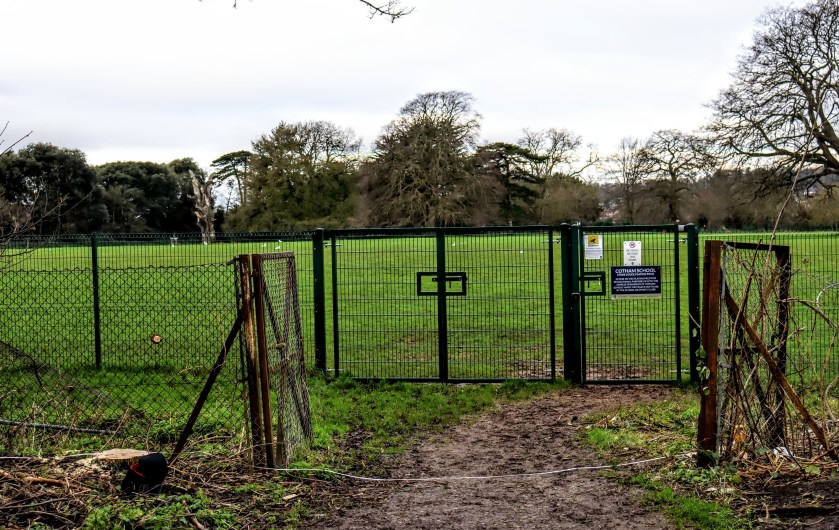
  1. The potential for damage to trees caused by pedestrians being obliged to pass over their root zones and under their canopies since Cotham School erected its boundary fence last year.
  2. The potential for damage being caused to the trees growing within the new fence being caused by the school’s grass mowing regime.
  3. The potential for damage to trees caused by vehicles passing over their root zones and under their canopies.

To a large extend, our concerns about issue three may have been allayed by the school’s adoption of a new access point at the eastern end of the fields, but we will have to see how this develops.

The new vehicle access point at the eastern end.

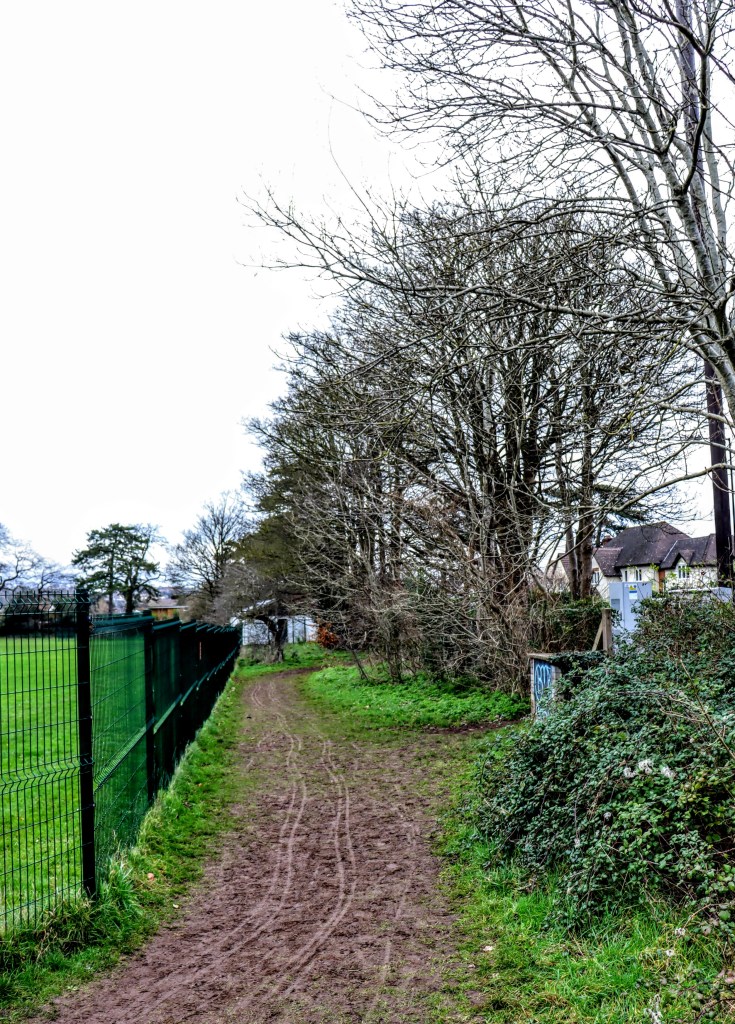
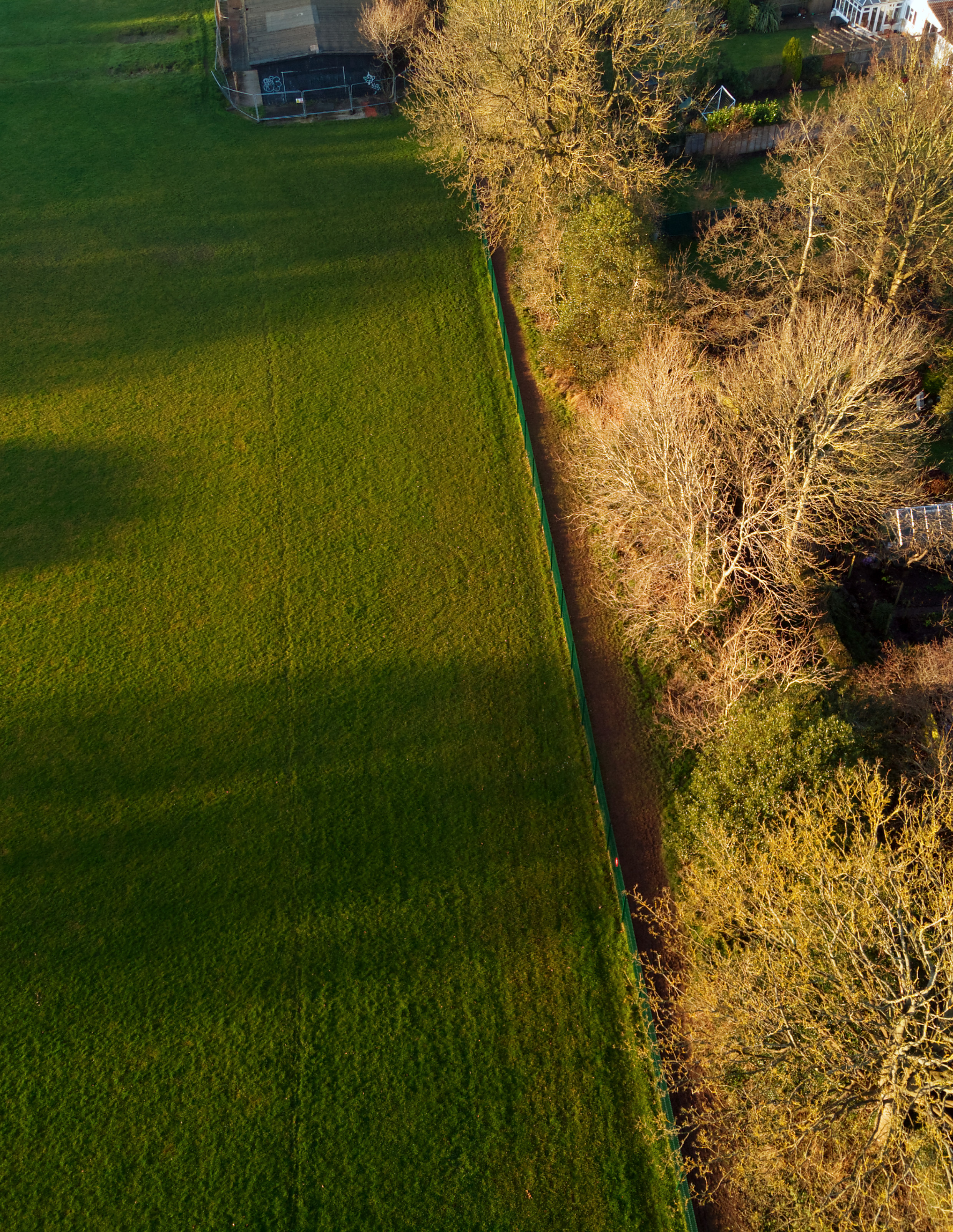
As for the other two issues, we attach images showing how the very muddy and disturbed path running around the outside of the school’s fence is causing disruption to the root zones of a number of trees – these are not all the trees being affected by this.

The eastern end of the fields.
The path leading to the Pavilion on the northern boundary.
created by dji camera
The path leading to the Pavilion.

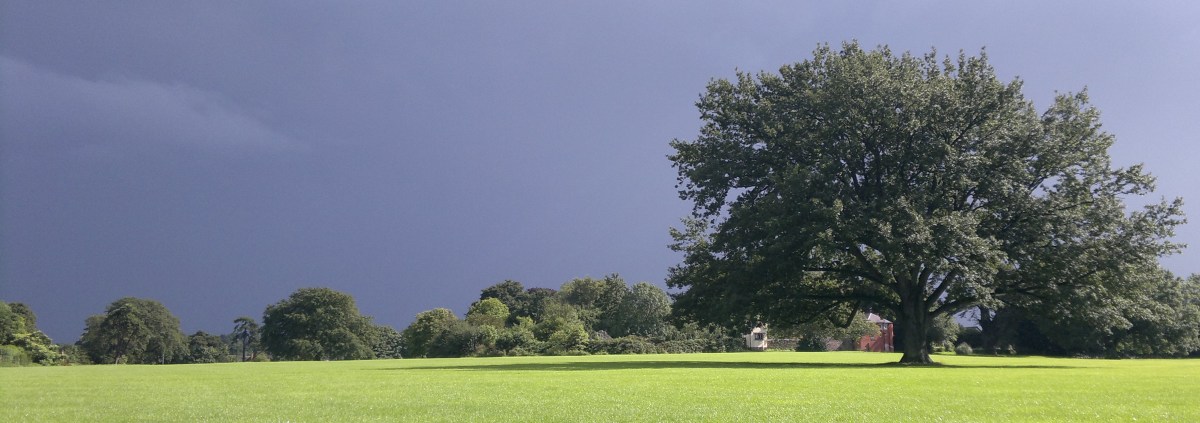
These images show how the current mowing regime encroaches within the root zone of one of the Turkey oaks inside the fence.

The Turkey growing at the eastern end of the playing fields seen from above.
The Turkey growing at the eastern end of the playing fields – the mowing line is clearly visible.

Here is a video which shows the mowing issue more clearly.

In our view, something needs to be done about this before any damage being caused becomes irreversible.

Can you advise me what action the Council plans to take to protect these trees, please?

Best Regards,

The Bristol Tree Forum