Sponsor or adopt a Bristol tree

Bristol City Council is dedicated to planting as many trees as possible in our city. In just two years TreeBristol has already successfully planted more than 39,000 trees! However, many more are still needed – especially in our streets. With your help we can plant many more. It is very easy.

How can I sponsor a tree?

You or your community can sponsor a tree that hasn’t been planted yet. This might be for a celebration such as a wedding or a birthday, or for a living memorial – or just because you love trees. The costs of sponsorship is quite small – especially if your community can help:

  • for £295 the Council will provide the tree, plant it and water it for two years to make sure it establishes.
  • for just £175 the Council will provide the tree and plant it, but you will be responsible for watering it until it becomes established.

Finding a tree you can sponsor

  1. Visit the Council’s PinPoint tree sponsorship map to locate a new tree site you can sponsor.
  2. View and select any tree icon on the map to find out more and make your decision.

pinpoint-sponsor-a-tree

  1. Once you have decided, click on View (Adobe PDF format) to open the Sponsorship form.
  2. The form will use a unique tree reference based on the site you have selected – in the example above its: Site: Rockside Drive; tree: Null; plot: 100008.5.
  3. Save the form by selecting File/Save as and select where to save it. You can then email the form to treebristol@bristol.gov.uk.
  4. If you prefer, you can print the form off direct, complete it and post it to TreeBristol at PO Box 3176, Bristol, BS3 9FS. This is the Sponsorship form.

When the form is received, the Council will check that the site is still available. If the tree is not available, you will be asked to choose another site. The Council will then advise you how to pay, confirm your sponsorship and, once the tree is planted, send you a certificate and a site map of your tree so you can visit it.

If you would like a particular species planted this is possible, though the council does follow careful guidelines which encourage planting the right tree in the right place to ensure sustainability and biodiversity. To learn more, look at our blog on choosing a tree.

Remember, to give your tree its best chance of survival, it will only be planted during the planting season which is between the beginning of December and the end of the following March.

Can I adopt a tree or a woodland?

It is easy to adopt a tree or a woodland that has already been planted for a small cost:

  • £35 to adopt a tree
  • £10 to adopt a woodland share

You can also adopt a tree by placing a plaque on the tree with up to seven words on. This costs £25.

Finding a tree or woodland you can adopt

  1. Visit at the Council’s PinPoint tree adoption map to locate a tree  or wood you can adopt.
  2. View and select any tree icon on the map to find out more and make your decision.

pinpoint-adopt-a-tree

  1. Once you have decided, click on View (Adobe PDF format) to open the Adoption form.
  2. The form will use a unique tree woodland share reference based on the site you have selected – in the example above its: Site: Redcatch Park; tree: Silver birch; plot: 100237.
  3. Save the form by selecting File/Save as and select where you to save it. You can then email it to treebristol@bristol.gov.uk.
  4. If you prefer, you can print the form off direct, complete it and post it to TreeBristol at PO Box 3176, Bristol, BS3 9FS. This is the Adoption form.

When the form is received, the Council will check that the site is still available. If the tree is not available, you will be asked to choose another site. The Council will then advise you how to pay and post you a certificate and site map of your tree, or a certificate of your woodland share.

If you would like to learn more, visit TreeBristol on the Council’s website or, if you prefer, contact us and we can help you.

Bristol’s remarkable trees mapped

Bristol Tree Forum has just added a new page to our web site. The new Trees of Bristol page provides access to an interactive guide to many of Bristol’s remarkable public tree collections – collections which are accessible to us all in and around the city including Clifton and Durdham Downs, Ashton Court Estate, Kings Weston Estate, Bishops Knoll and many other open and green spaces such as Eastville, St Andrews and Victoria parks.

We aim to help those who love and care for trees to track down and visit any of over 100 locations where trees can be enjoyed. We have already mapped some 15,000 trees (and growing), many of which are within easy walking or cycling distance.

There is also a special Stumps Collection page which builds on Bristol City Council’s trees data and shows all the sites in the city where there is an opportunity for any of us to have a new replacement tree planted. If you are interested in planting a tree at one of these locations, please take a look at our Become a tree champion page and contact us.

Choosing trees for public spaces – how Bristol City Council does it

When Bristol City Council (BCC) decides to plant a new tree in a public space they use a structured process when deciding what sort of tree to plant.

This is based on right-tree-in-the-right-place principles which aim to ensure a balanced, bio-diversity of trees across both the local and the overall urban tree population – BCC curates over 52,000 trees in the Bristol urban area.

The Council also uses a 30:20:10 guide when selecting a tree species -choosing no more than 30% from any family, 20% from any genus and 10% of any species.  Their tree planting guide aims to discourage thinking first about what species to plant – but poses the question What do you want the tree to do?  They aim to promote a structured and sequential selection process that follows a logical decision path:

Function? => Diversity? => Design? => Species? => Support? => Placement?

Using these principles, the Council’s tree officers generally try to steer local communities away from choosing a tree species in the first instance, but instead seek to encourage them to decide where trees are to be planted and why. BCC can then match the species to the need, based on their extensive experience of what grows best where, what the likely cost will be (not just the cost of the tree, but also the costs involved in protecting and caring for it once it has been planted) and how the chosen tree will perform over its lifetime.

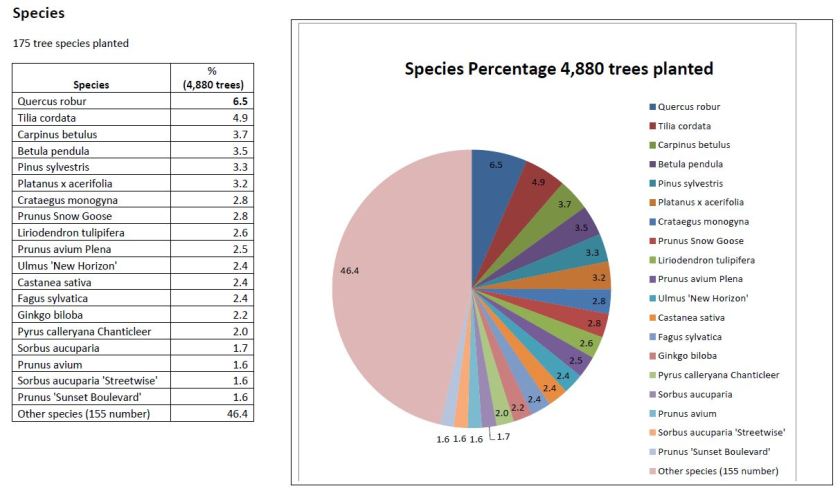
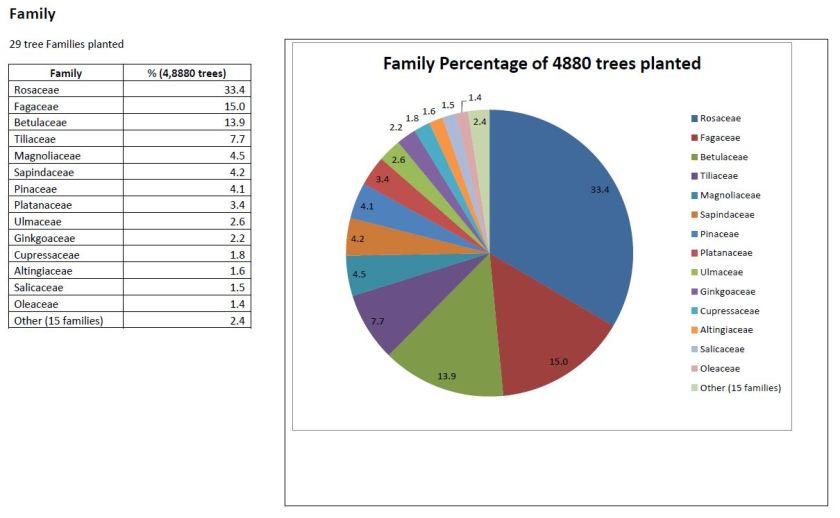
Looking at the 4,880 trees planted by BCC since 2008, this is what the species/genus/family distribution looks like:

By Species

tree-planting-by-species

By Genus

tree-planting-by-genus

By Family

tree-planting-by-family

The Forestry Commission run a right tree right place species selector – Main UK Tree Selector guide. It is useful, but you will have to have a password to use it.

You can also take a look at these links if you would like to learn more:

BCC – Tree Planting Design Guide Supporting Notes

Database helps plant ‘right tree for the right place’

Landscape and Urban Planning journal

Forestry Commission, Scotland

Bristol Tree Forum – Public meeting report

The meeting was held at the Civic Centre on Monday 14 November 2016

The chair welcomed the 30 people present. In a swift AGM the existing committee were re-elected, and others encouraged to join. The next meeting of the committee is fixed for January 16th at 8 Edgecombe Rd, 7.45 pm. The chair congratulated the new webmaster Mark Ashdown on the new web site at www.bristoltreeforum.org.

Richard Ennion, ‎Horticultural Service Manager at Bristol City Council, then outlined the way in which the One Tree per Child programme is spreading across Britain, and that other nations are also interested. There has been an event in the Lords, and an international conference, and Bristol is very much in the lead.

The aim is to ensure every child has the experience of planting a tree. Some 39,000 trees had been planted last winter and it is intended to plant another 6,000 this winter for the new entrants. Some 14,000 fruit trees had been taken home by children, and every primary school in the city had been involved. He said that he was pleased that there had been no serious problems of tree survival or of vandalism.

A discussion followed about the protocol for replacing trees that had been felled, especially in streets. There was concern about the accuracy of stump maps, and Mark Ashdown and John Tarlton were working on this. The cost of a replacement tree in an existing site was £295. The sponsorship system introduced by Trees Bristol was not perfect, but did work. Concerns were expressed about use of former pits by Wessex Water for meters, and some lack of joined-up action with highways, and Metrobus.

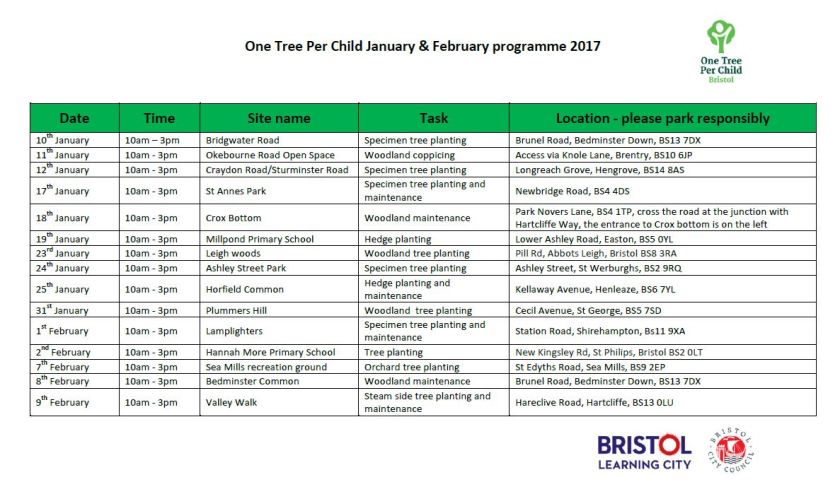
Teresa Crichton outlined a programme of events has been drawn up for the rest of this year, and the existence of a training programme and a system of checking trees that had been planted. Support for One Tree per Child events would be very welcome.

Stephanie French outlined the system for checking planning applications, and saving existing trees from being felled. She urged those present to take up the challenge in their area. She had drawn up a guidance document that was on the website, and offered help.

Joe Middleton of the Woodland Trust then outlined the work he was involved in in the Bishops Knoll Reserve, and Jim Smith outlined his experiences in Filwood, where he was the designated Tree Warden.

Volunteers needed. Anyone wanting to join the committee, or who is prepared to check planning applications, or who is prepared to be the Tree Representative for a Neighbourhood forum please contact us using our web Contact page.

The chair concluded by thanking, in particular, the council officers and Councillors who had given up their time to support and advise the forum.

Bristol Tree Forum AGM

Date: Monday, November 14th 2016 

Time: Between 6.00 pm and 8.00 pm

Venue: The Writing Room, First Floor, City Hall, College Green, Bristol BS1 5TR

The Agenda

 6:00   Welcome

6:05    AGM. Election of committee.

6:10    Richard Ennion and Teresa Crichton. Bristol City council tree programme.

6:45    Stephanie French. “Monitoring planning applications:a plea for help and vigilance”

6:55     Jim Smith. “How tree champions make a difference”

7:00    Break

7:10     Joe Middleton of Woodland trust will talk about his work in Knoll Hill

7:30    Open session and questions.

7:50    End (Building closes at 8.00 pm)

Space is limited, so please use the Contact form if you wish to come.

Please also send details of significant events since last March.

One Tree Per Child winter 2016 programme announced

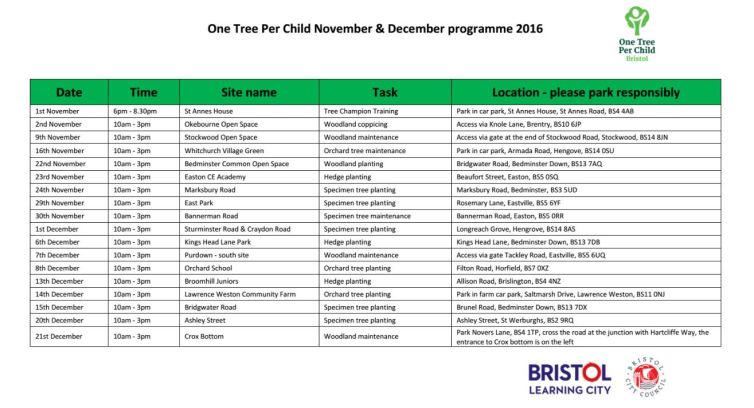
Here is the Bristol One Tree Per Child programme for November / December 2016:

one-tree-per-child-winter-2016-programme

Trees can be planted free of charge if it is part of the primary school project called One Tree Per Child which combines school children, education and planting new trees.

One Tree Per Child November & December programme 2016.pdf

Another tree saved – Waverley Road, BS6

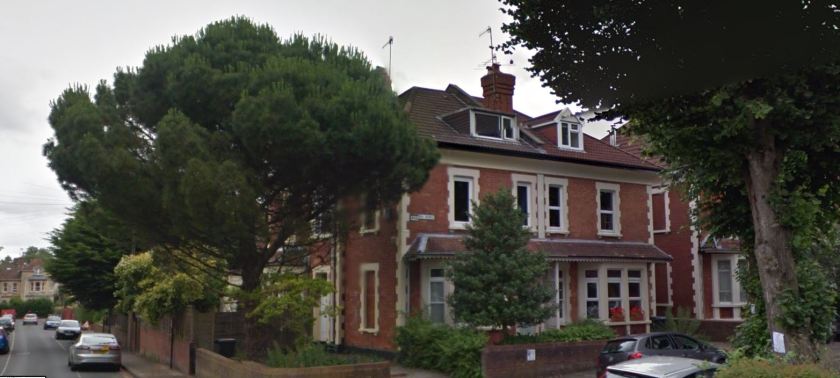
An application was recently made (Reference 16/04877/VC) to fell this mature and healthy pine tree growing in the front garden of the house at at the corner of Waverley Road and Woodstock Avenue BS6.

pine-at-50b-waverley-road-bs6-6eu

Having received eight objections from local residents, the Council has decided that the tree should rather be made the subject of a Tree Protection Order (TPO 1308). This is why:

The Pine is a prominent tree within this heavily built urban area; its removal would be detrimental to the character and appearance of this part of the conservation area. It is considered that the proposed works would adversely affect this part of the Conservation Area in terms of character and/or appearance. The works involved are considered to be unacceptable and a TPO is warranted.

It is always sad to lose any tree, especially when there is no good reason to remove it. Happily, we can all ensure that such threats are minimised by making sure that all applications to remove trees are carefully monitored.


The importance of urban forests: why money really does grow on trees

A must-read article in today’s Guardian.

This month will see representatives from the world’s cities convene in Quito, Ecuador, for the United Nations conference on sustainable urban development,Habitat III. An agreement called the New Urban Agenda will be launched, to address the challenges facing a growing global urban population that already accounts for over 50% of us.

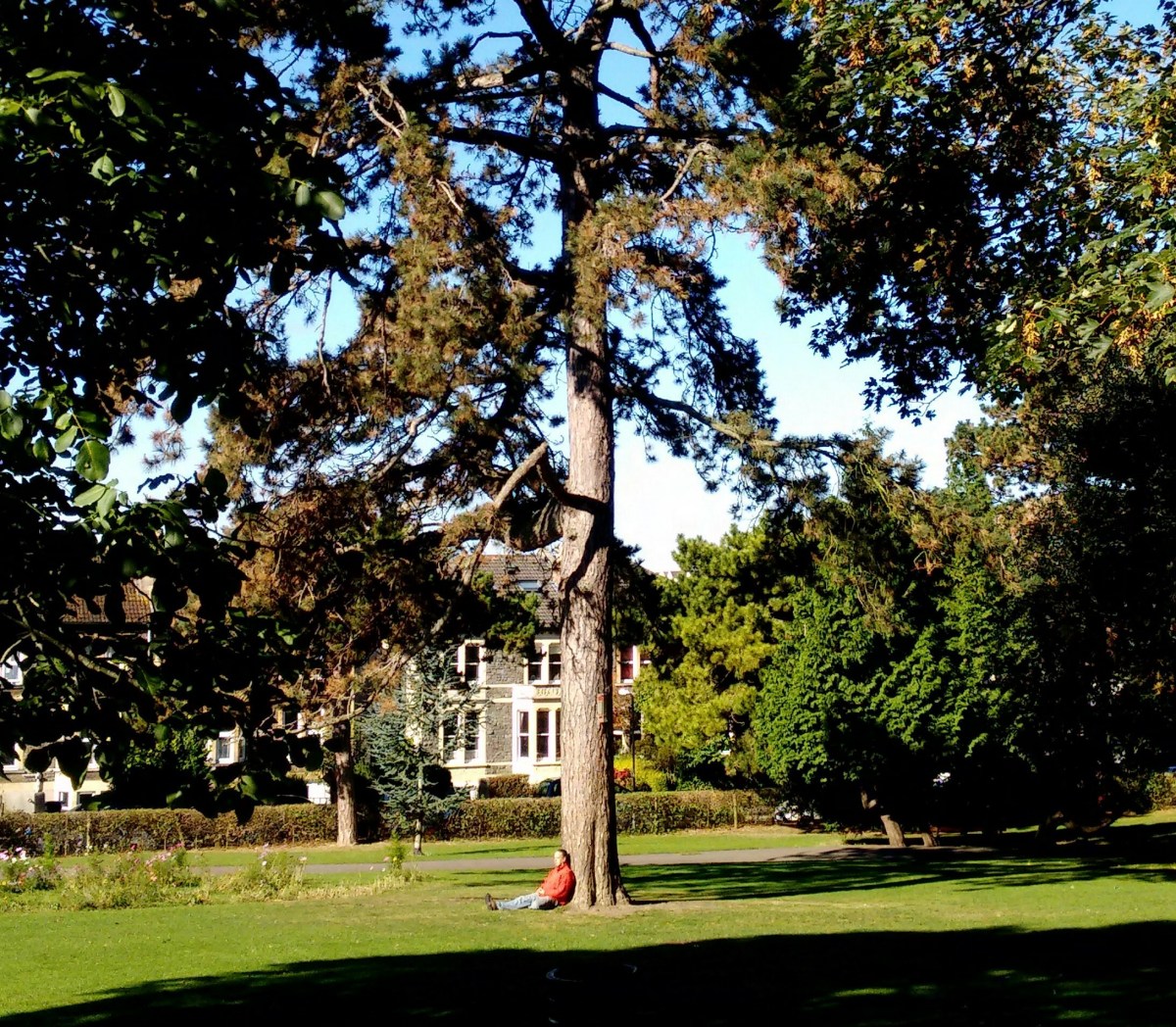
man-resting-against-pine

Here are some of the article’s headline points:

  • Green spaces are essential for mental and physical health, community building and performing urgent ecological tasks.
  • The ecological services that trees provide are staggering.
  • Trees can cool cities by between 2C and 8C. When planted near buildings, trees can cut air conditioning use by 30%, and, according to the UN Urban Forestry office, reduce heating energy use by a further 20-50%.
  • It’s hard to put a price on how an avenue of plane trees can muffle the roar of a main road, although trees do on average increase the value of property by 20%.
  • When the New York City park department measured the economic impact of its trees, the benefits added up to $120m a year. (Compare that to the $22m annual parks department expenditure.) There were $28m worth of energy savings, $5m worth of air quality improvements and $36m of costs avoided in mitigating storm water flooding. If you look at a big tree, says Jones, “it’s intercepting 1,432 gallons of water in the course of a year.”
  • Trees can bring down cortisol levels in walkers, which means less stress.
  • It is suggested that, in areas with more trees, people get out more, they know their neighbours more, they have less anxiety and depression.
  • Research suggests people are less violent when they live near trees.
  • A tree psychology study was done in Toronto by psychology professor Marc Berman, using data sets from the national health system. He discovered that, if you have 10 more trees on a city block, it improves health perception as much as having £10,000 more in income, or feeling seven years younger. There are even some studies on urban trees which showed that they reduce health inequality.
  • The value we place on trees and nature is informed by childhood experience. A Child growing up dislocated from nature will suffer, say some researchers, an “extinction of experience”. Sadly, these children will ultimately understand and value nature less.

You can link to the full article here.


Redland Hill mature Copper Beech to be felled

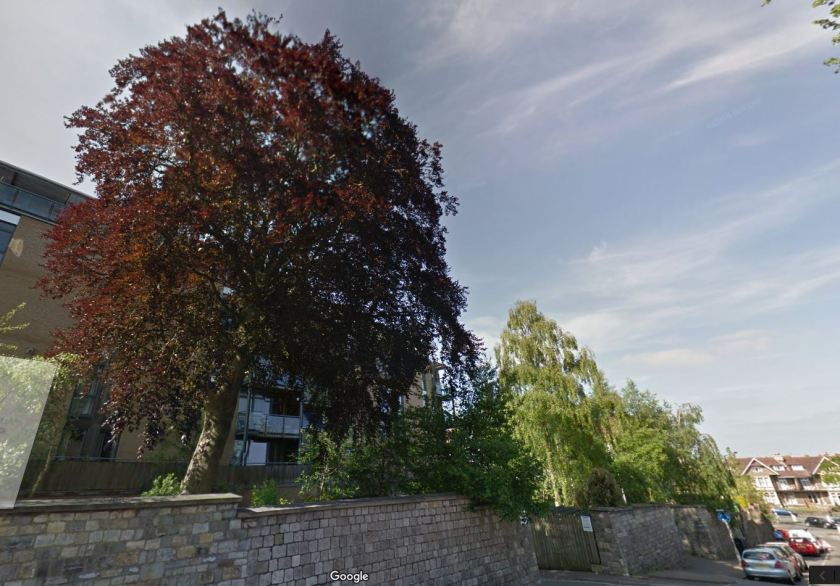
An application has been made to remove a mature Purple Beech  at The Praedium Chapter Walk Bristol BS6 6WB.

copper-beech-the-praedium

The application was based on the following report by Tim Pursey, Chartered Arboriculturist:

A recent routine tree survey highlighted possible decay within the stem of the tree. Drilling tests this week with a Resistograph have revealed that the extent of decay within the stem is considerable. I would now classify the tree as being dangerous and have recommended its immediate removal.

This is the Council’s decision, made today:

A member of staff from the Arboricultural Section has visited the site and agreed that the proposal for tree works can be carried out under the Dead and Dangerous exemption of the Town & Country Planning Act 1990. Therefore, in this instance, formal consent from the Local Planning Authority is not required.
However, when a tree is removed under this legislation, there is a duty on the owner of the land, under Sections 206 and 211 of the Town and Country Planning Act 1990, to plant another tree, of an appropriate size and species, at the same place as the tree to be felled, as soon as it is reasonably possible. The new tree will have the same legal protection as the tree it replaced.
In some circumstances, it may not be appropriate to replace the tree and therefore the Local Planning Authority has the power to dispense with this duty.
In this instance, a replacement tree is required (Common Beech) and I would be grateful if you could contact the above named officer when the replacement has been planted, in order that a site inspection can be made.

It is not clear why the replacement tree is a Common Beech and not a specimen of the original Purple Beech or what steps must be taken to ensure that a suitable specimen is selected or when it is to be planted.

Tree of the week

Katsura, Cercidilphyllum japonicum

To be found at the National Trust property at Newark Park – Park Lane, Ozleworth, Wotton-under-Edge GL12 7PZ.

Originating from China and introduced into the UK in 1881. In Asia it is one of the largest deciduous trees, growing to 10 – 45 metres tall. It is a very primitive hardwood species, closely related to the Magnolias and is unusual in having some features of a conifer or softwood . Each tree is a separate male or female one. The family is a very primitive one and may even predate the Ginkgo.

A more local specimen can be found in St Andrews Park, Bristol BS6.

In autumn, when the leaves change colour to a beautiful pale yellow, pinks and reds, they give off a smell of burnt sugar or caramel. Generally, they are smelled before they are seen during this short two-week period.

This delightful, young specimen has started to turn and has indeed a smell of burnt caramel when the dry leaves are crushed. It is planted on the middle terraces below the house.katsura-tree-cercidilphyllum-japonicum

Also worth visiting are the the magnificent 200+ year old (planted in around 1810) Horse chestnuts which can be found along the old carriage drive leading up to the house, some of the largest specimens that I have ever seen.

img_20161009_151639